Empowering Pakistan:The Role of BISP in National Development
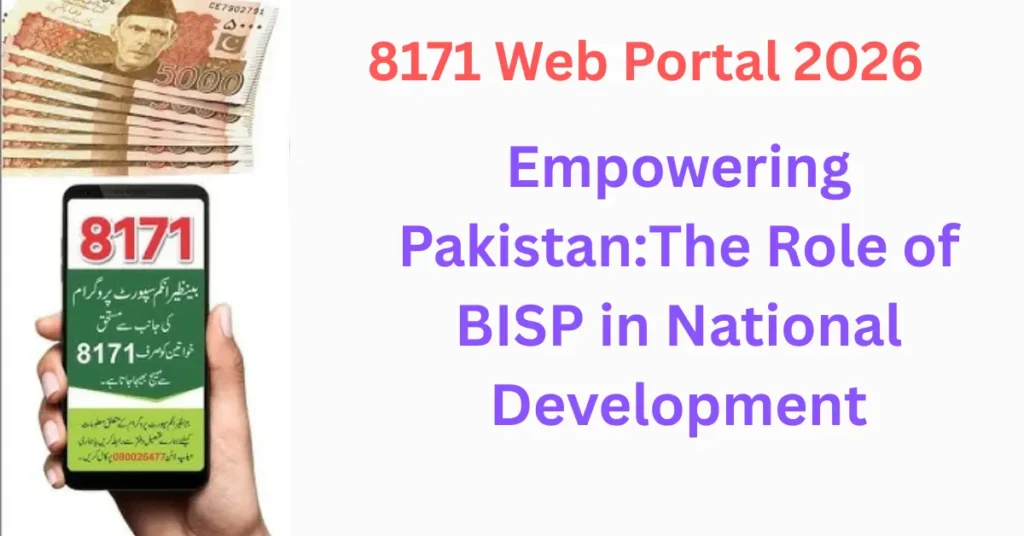
Empowering Pakistan:The Role of BISP in National Development
Ehsaas Program Pakistan, a nation with a rich history and vibrant culture, has always faced its share of challenges. Among them, poverty and socio-economic inequality have been persistent issues. To address these, the Benazir Income Support Program (BISP) has played a pivotal role in supporting Pakistan’s marginalized communities. Established in 2008, BISP aims to reduce poverty and empower vulnerable populations, particularly women and children, by providing them with direct financial assistance.
On the occasion of Pakistan Day (23rd March), it is essential to recognize the impact of BISP in shaping a more equitable and prosperous society. This article delves into the significance of BISP in Pakistan’s national development, its goals, initiatives, and the challenges it faces.
The Origins of Benazir Income Support Program
The Benazir Income Support Program (BISP) was launched by the government of Pakistan as a comprehensive social welfare initiative. It was designed to provide financial support to low-income families to reduce their vulnerability to poverty. The program was named after Benazir Bhutto, the former Prime Minister of Pakistan, to honor her vision of empowering marginalized groups and women.
BISP is a direct cash transfer program aimed at helping low-income households, especially in rural areas, access essential resources such as healthcare, education, and food security. Over the years, the program has evolved to meet the changing needs of Pakistan’s population.
Key Objectives of BISP
The primary objectives of BISP are:
Reducing the number of people living below the poverty line by providing financial assistance.
Focusing on women as the primary beneficiaries of the program to encourage their economic independence.
Ensuring that vulnerable groups, including the elderly, disabled, and children, have access to basic services.
Promoting access to financial services for marginalized communities.
By reaching out to all regions of Pakistan, BISP strengthens the fabric of national unity.
Impact of BISP on Poverty Reduction
BISP has played a significant role in reducing poverty in Pakistan. With over 5.5 million beneficiaries, the program provides direct financial assistance to households, ensuring that they can meet their basic needs. According to various studies, BISP has lifted thousands of families out of extreme poverty by providing monthly stipends Bewa Sahara Card 2026
Key Statistics on BISP’s Impact:
| Year | Beneficiaries | Total Disbursement (PKR) | Reduction in Poverty (%) |
|---|---|---|---|
| 2015 | 5.2 million | 70 billion | 10% |
| 2016 | 5.4 million | 75 billion | 12% |
| 2020 | 5.5 million | 90 billion | 14% |
| 2023 | 6.0 million | 100 billion | 18% |
Women’s Empowerment Through BISP
One of BISP’s most significant achievements is its focus on women’s empowerment. In many regions of Pakistan, women are often economically marginalized and lack access to financial resources. BISP aims to bridge this gap by providing financial aid to women heads of households, allowing them to make decisions about their families’ welfare.
By targeting women, BISP helps in improving family income, enhancing healthcare access, and fostering economic independence for women, which ultimately leads to the improved well-being of entire communities.
BISP’s Initiatives for Women

Conditional Cash Transfers (CCTs):
Women receive cash transfers conditional on their children’s education and health.
Waseela-e-Taleem Program:
A program that encourages parents, particularly mothers, to send their children to school by offering financial incentives.
Waseela-e-Sehat:
A health insurance program that covers basic healthcare needs for families, with a special focus on women’s health.
BISP’s Role in Social Protection
BISP’s role goes beyond poverty alleviation—it also acts as a social safety net. The program provides financial assistance to families that face economic shocks due to illness, natural disasters, or job loss. This ensures that vulnerable groups, including the elderly, women, and disabled individuals, are protected during times of crisis.
In 2020, during the COVID-19 pandemic, BISP launched the Ehsaas Emergency Cash Program, which provided 12,000 PKR to millions of families who were affected by lockdowns and economic hardships.
Challenges Faced by BISP

Despite its success, BISP faces several challenges that impact its effectiveness:
Funding Limitations:
The program is heavily reliant on government funding, which may fluctuate due to fiscal constraints.
Data Management:
Ensuring that the right people receive aid can be difficult due to gaps in data collection and management.
Corruption and Mismanagement:
There have been instances of corruption within the program, which has resulted in aid being diverted from the intended beneficiaries.
Lack of Awareness:
Many people in remote areas are unaware of the program or unable to access the benefits due to logistical barriers.
Future Prospects and Recommendations for BISP
The future of BISP looks promising, but certain improvements are necessary to ensure the program’s sustainability and reach:
Increasing government investment in social welfare programs can ensure long-term success.
Implementing advanced technology for better data management can help identify and target beneficiaries more efficiently.
Partnering with non-governmental organizations (NGOs) can help in reaching remote communities and spreading awareness.
Establishing robust monitoring systems can help track the effectiveness of the program and address any shortcomings.
FAQs
Conclusion
The Benazir Income Support Program (BISP) has played an instrumental role in Pakistan’s fight against poverty and inequality. Through its focus on financial aid, women’s empowerment, and social protection, BISP has made significant strides in improving the lives of millions of Pakistanis. However, to achieve its long-term goals, the program must continue to evolve, addressing challenges such as funding and data management.
On Pakistan Day, it’s important to recognize the collective efforts of programs like BISP, which contribute to the nation’s development and ensure a better future for all. With continued support and improvement, BISP can help Pakistan become a more just, prosperous, and equitable country.